
A Call to GPs: Powerful Advocacy in General Practice
In this article...
What Advocacy in General Practice Looks Like
 Powerful advocacy in general practice, done properly, is disciplined. It is strategic. It is organised. It is often slow.
At the highest level, it usually happens behind closed doors, across months and years, in rooms where the outcome matters more than the applause. Sometimes the long game of advocacy can make a summer of Test cricket feel short.
Once every few weeks, well-meaning RACGP members make public comment about advocacy efforts in general practice. Some of it is useful. And some of it reveals why confusing grievance-politics with professional advocacy is one of the great risks in leadership.
General practice cannot afford that mistake.
The most effective advocacy often fixes problems before most GPs even realise the danger is coming. It identifies risk early. It builds relationships before they are needed. It understands government, policy, media, member sentiment and the operational reality of general practice. It knows when to push publicly, when to negotiate privately, when to hold the line, and when to bring others with you.
What General Practice Advocacy Shouldn’t Be
Advocacy in general practice is not a personal leadership claim. It is not measured by the length of an explanation, the strength of a grievance, or the number of likes a post receives after a problem has already become obvious.
That is the difference between advocacy and grievance politics.
Grievance politics turns leadership into a personal story. Advocacy turns leadership into a collective outcome.
Leadership titles alone do not deliver policy change. Passion alone does not shift government. Visibility alone does not protect patients. Advocacy requires judgement, credibility, timing, relationships and the ability to mobilise others around a clear purpose.
Strategic Advocacy Delivers Certainty
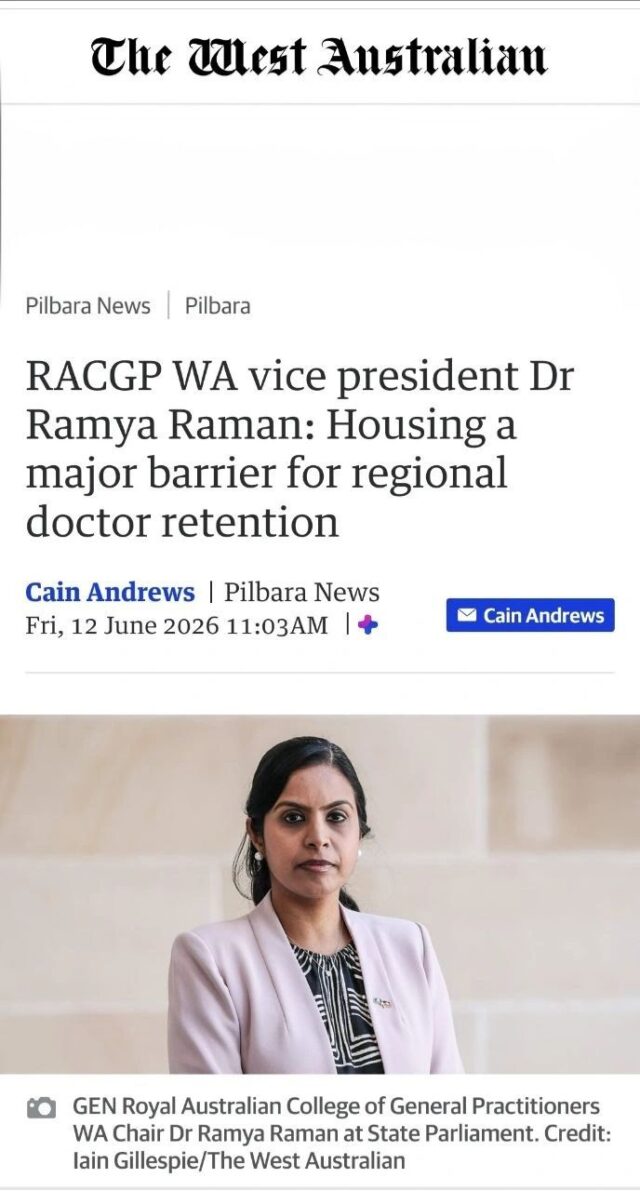
Over my six years as RACGP WA Chair, I have seen the College mature greatly in strategic advocacy in general practice. We are better at identifying problems early. We are better at engaging before decisions are locked in. We are better at understanding the difference between making noise and achieving change.
I saw this clearly in Western Australia during the payroll tax debate. After legal developments in other states created uncertainty and anxiety for practices, I worked through the RACGP to raise those concerns directly with the WA Government. The result was written reassurance that WA would not follow other states in making medical centres liable for payroll tax in the same way, and confirmation that most GPs working under independent agreements were considered contractors running independent businesses.
Just as importantly, that message reached beyond GPs. It flowed through accounting and advisory networks that support general practices, helping practice owners and their advisers act with greater confidence. That is what strategic advocacy can do: give GPs certainty, protect practice viability, and help prevent unnecessary costs being pushed onto patients.
That progress matters. General practice is facing a transformative moment. Medicare reform, workforce pressures, scope of practice expansion, rural health inequity, red tape, practice viability, patient access and the future role of the GP are all live issues. None of them will be solved by slogans. They require disciplined, coordinated advocacy from a College that knows how to act early, speak clearly and bring members with it.
At the strategic level, this means mobilising the executive, Board, faculties, expert committees and trusted relationships across government and the health sector. It means having the right people in the right rooms before policy hardens into legislation, regulation or funding models. It means understanding the system well enough to intervene before general practice is left managing the consequences.
Why Grassroots Advocacy Must Be Energised
But strategic advocacy is only one part of the work.
Advocacy in general practice still has significant room to improve at the grassroots level. The passion is there. The frustration is there. The lived experience is there. What has too often been missing is the strategic coordination and intent to turn that energy into a clear, disciplined and effective national voice.
Grassroots advocacy does not happen by accident. It must be deliberately energised.
GPs, practice owners, registrars, supervisors, rural doctors, medical educators and patient communities need to understand the issue, the stakes, the message and the action required. They need to know when their voice can make a difference. They need leadership that respects their time and gives them practical ways to amplify patient safety, public health and the value of general practice.
Strategic advocacy gives the College credibility in the rooms where decisions are made. Grassroots advocacy gives that work force.
When GPs speak with clarity, consistency and purpose, the message becomes much harder to ignore. When members are prepared early, rather than mobilised only when frustration is already high, advocacy becomes more than a reaction. It becomes a culture.
That is the next stage for the RACGP.
We need to build a stronger advocacy culture across general practice before the crisis point. That means preparing members earlier. It means equipping faculties and local leaders with sharper messages. It means supporting GPs to speak not just from anger, but from evidence, experience and purpose. It means connecting what happens in consulting rooms to what happens in Canberra, in state parliaments, in media debates and in health department briefings.
Because when general practice speaks well, patients benefit.
When we advocate effectively, we are not simply defending our profession. We are defending continuity of care. We are defending comprehensive medicine. We are defending rural communities. We are defending safe diagnosis, proper follow up, chronic disease care, preventive health, mental health care and the everyday work that keeps people out of hospital.
When GPs speak together, we shape the future of patient care.
The Leadership General Practice Needs Now
Advocacy must never be reduced to an individual brand. It should be measured by whether GPs are stronger, patients are safer, and government understands the real consequences of its decisions.
That is the leadership I believe general practice needs now: strategic enough to be respected in the rooms where decisions are made, and connected enough to energise GPs across the country.
When we speak with clarity, confidence and unity, general practice is much harder to ignore.
That is the art of advocacy in general practice: building the strategy, strengthening the profession, and ensuring GPs are heard when it matters.
